À la conquête du ciel : jusqu’où peut-on monter un échafaudage en bambou ?
Feb 27, 2026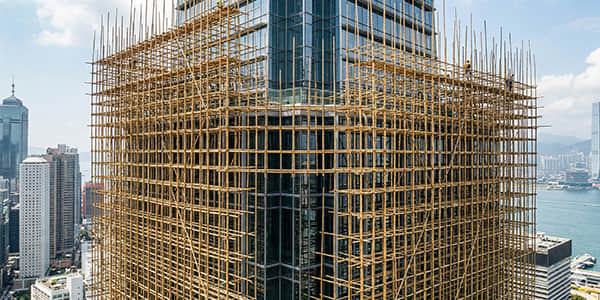
échafaudages en bambou Le bambou est l'une des technologies les plus anciennes et les plus durables du secteur de la construction. Si les systèmes modernes en acier et en aluminium dominent souvent les marchés internationaux, le bambou demeure un matériau essentiel, très performant et durable dans de nombreuses régions. Une question simple, mais fondamentale, se pose fréquemment aux chefs de projet, aux responsables de la sécurité et aux ingénieurs : Jusqu'à quelle hauteur peut-on monter un échafaudage en bambou ?
La réponse ne se résume pas à un chiffre unique, mais résulte plutôt d'une interaction complexe entre l'ingénierie, les réglementations locales en matière de construction et les facteurs environnementaux.
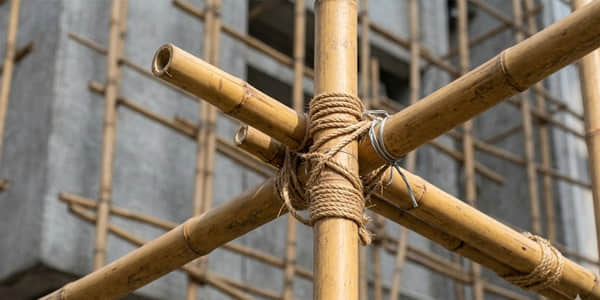
Pour comprendre la hauteur que peut atteindre le bambou, il est important d'examiner d'abord les propriétés d'un poteau d'échafaudage en bambou. Les espèces de bambou comme le Bambusa blumeana possèdent un rapport résistance/poids très élevé, ce qui leur a valu le surnom d'« acier vert ».
Correctement assemblé avec du fil de nylon ou galvanisé, le bambou forme une structure à la fois flexible et très résistante. Contrairement aux systèmes métalliques rigides susceptibles de se déformer sous des contraintes extrêmes, les échafaudages en bambou possèdent la capacité unique d'osciller et d'absorber l'énergie cinétique, un atout particulièrement précieux dans les régions venteuses. Toutefois, cette flexibilité impose également des limitations de hauteur strictes. Plus la structure s'élève, plus la charge cumulée – celle des ouvriers, des matériaux lourds et du bambou lui-même – augmente, nécessitant un contreventement renforcé et des fixations plus fréquentes à la façade du bâtiment.
Dans de nombreuses juridictions, la hauteur maximale des échafaudages en bambou est déterminée par les normes de sécurité plutôt que par la limite de rupture du matériau. Les organismes de réglementation privilégient la sécurité des travailleurs et du public, ce qui explique la définition des plafonds opérationnels.
Par exemple, dans les régions où l'utilisation d'échafaudages en bambou est courante, la réglementation locale impose souvent des limites de hauteur spécifiques pour :
Échafaudages indépendants:Utilisé pour les travaux extérieurs de bâtiments, généralement limité à un nombre précis d'étages pour garantir la stabilité.
Échafaudage à double rangée :Conçu pour des charges plus lourdes, nécessitant des systèmes d'ancrage plus robustes.
Ces réglementations garantissent la stabilité de la structure face aux risques de flexion, de cisaillement ou de charges dues au vent. Tout projet ne respectant pas ces limites de hauteur imposées par le code du bâtiment risque de provoquer un effondrement structurel catastrophique, quelle que soit la qualité du bambou utilisé.
Si vous prévoyez un projet impliquant des échafaudages en bambou de grande hauteur, plusieurs facteurs détermineront vos limites opérationnelles :
La hauteur maximale d'un échafaudage dépend directement de la qualité de son ancrage à la structure porteuse. Sans tirants robustes conformes aux spécifications techniques, un échafaudage de grande hauteur se réduit à une simple poutre verticale susceptible de s'effondrer. L'espacement et la pose corrects de ces tirants sont donc essentiels pour garantir la sécurité lors de l'extension d'un échafaudage en hauteur.
Les structures en bambou réagissent différemment aux charges de vent par rapport aux charpentes rigides en acier. Dans les zones exposées aux typhons ou en haute altitude, la surface des filets ou des protections contre les débris fixées à l'échafaudage augmente considérablement la force du vent. Plus la structure est haute, plus la pression du vent augmente, créant un « effet de voile » susceptible de déstabiliser l'échafaudage s'il n'est pas correctement calculé et renforcé.
La résistance du bambou est variable. Son âge, son taux d'humidité et la présence de défauts influent considérablement sur sa capacité portante. Les projets en hauteur exigent des inspections rigoureuses. Les poteaux doivent être inspectés afin de détecter toute fissure, pourriture ou dommage causé par les insectes avant d'être autorisés à être utilisés dans une structure de grande hauteur.
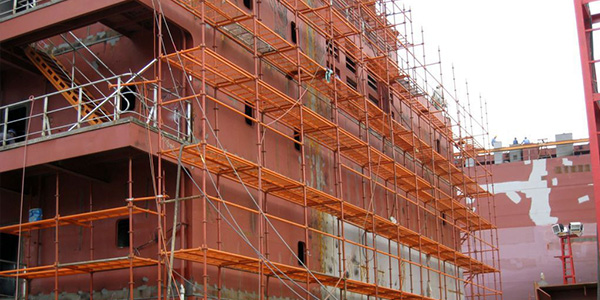
Alors que échafaudages en acier Offrant une structure prévisible et rigide adaptée à presque toutes les hauteurs, le bambou présente un avantage concurrentiel en termes de durabilité et de rentabilité dans des environnements spécifiques.
Fonctionnalité | Échafaudages en bambou | Échafaudages métalliques |
Flexibilité | Haute (Absorbant d'énergie) | Bas (rigide) |
Poids du matériau | Extrêmement léger | Lourd |
Durabilité | Renouvelable / Biodégradable | Intensif en ressources |
Hauteur maximale | Réglementé (variable selon la région) | Théoriquement illimité |
Pour les projets de moyenne et grande hauteur, la décision dépend souvent du contexte réglementaire local et de la rapidité de montage. Les équipes expérimentées en échafaudages de bambou peuvent ériger des structures plus rapidement et avec une plus grande agilité que les équipes assemblant de lourdes structures métalliques, à condition de respecter les marges de sécurité définies par les meilleures pratiques d'ingénierie.
Pour optimiser la sécurité et l'utilité des échafaudages en bambou à grande hauteur, suivez ces pratiques standard du secteur :
Supervision technique :Tout plan d'échafaudage pour immeuble de grande hauteur doit être examiné par un ingénieur qualifié. Se fier à des méthodes d'assemblage empiriques pour des structures dépassant les hauteurs standard est une recette pour le désastre.
Inspection continue :Effectuez des vérifications quotidiennes, notamment après des vents violents ou des changements météorologiques importants, afin de vous assurer qu'aucun câble ne s'est desserré et qu'aucune attache n'a cédé.
Gestion dynamique de la charge :Ne jamais surcharger les sections en hauteur. Répartir les matériaux uniformément et s'assurer que la capacité portante des poteaux de bambou aux niveaux inférieurs est suffisante pour supporter le poids combiné des niveaux supérieurs.
Formation professionnelle :Assurez-vous que tous les monteurs soient certifiés et expérimentés en matière de techniques d'assemblage de bambou en haute altitude. Ce travail ne peut être confié à des ouvriers non qualifiés.
La hauteur des échafaudages en bambou dépend moins de la capacité physique du matériau que de la gestion de l'intégrité structurelle, de la charge du vent et du respect des réglementations. Grâce à une conception technique appropriée, des matériaux de haute qualité et le strict respect des protocoles de sécurité, le bambou demeure une solution viable et efficace pour les projets de construction complexes.
L’objectif final est d’atteindre la hauteur nécessaire à la réalisation des travaux sans compromettre la sécurité du chantier. Malgré l’évolution des technologies de construction, l’alliance des techniques traditionnelles de travail du bambou et de la supervision d’ingénieurs modernes demeure la référence en matière de réussite.
Vous planifiez un projet et avez besoin de solutions d'échafaudage professionnelles ou de conseils d'experts ?
Ne laissez pas la sécurité de votre structure au hasard. [Contactez notre équipe d'ingénieurs dès aujourd'hui]Pour une consultation sur la conception et la conformité des échafaudages, ou parcourez notre inventaire de matériaux de construction de haute qualité adaptés à votre prochain projet.
Q : Existe-t-il une limite de hauteur universelle pour les échafaudages en bambou ?
A : Il n'existe pas de limite de hauteur unique au niveau mondial pour les échafaudages en bambou. La hauteur maximale autorisée est déterminée par la réglementation locale en matière de construction, les conditions spécifiques du site et la conception technique de la structure. Il convient de toujours se référer aux codes de sécurité de la construction régionaux, qui précisent les limitations de hauteur en fonction des zones de vent, des exigences de charge et de la stabilité structurelle du système.
Q : La vitesse du vent a-t-elle une incidence sur la hauteur maximale des structures en bambou ?
R : Oui, le vent est un facteur crucial. Plus la structure est haute, plus les charges du vent exercent une pression importante sur l'ossature en bambou, notamment lorsque des filets de protection ou des bâches sont installés, ce qui peut créer un effet de voile. Les structures en hauteur nécessitent un ancrage plus fréquent et plus robuste à la façade du bâtiment afin de compenser ces forces latérales.
Q : Pourquoi le bambou est-il souvent envisagé pour les projets de construction de grande hauteur malgré la disponibilité de l'acier ?
A: Le bambou offre des avantages uniques en termes de rentabilité, de rapidité d'assemblage et de durabilité. Sa flexibilité naturelle lui permet d'absorber l'énergie cinétique et de se déformer légèrement sous contrainte, contrairement aux systèmes métalliques rigides qui peuvent se déformer sous certaines charges. Dans de nombreuses régions, le bambou demeure le matériau de prédilection grâce à son adaptabilité aux géométries complexes des bâtiments.
E-mail : aj-steven@dghualifeng.com.cn


Friendly Links :
Kitchen Cabinet© 2026 Guangzhou AJ matériaux de construction Co., Ltd Tous les droits sont réservés


 en
en fr
fr es
es